Mall & Retail Landscaping (India)
A mall landscape is part of the trading floor. It has to survive peak footfall, seasonal festivals, valet and drop-off churn, F&B grease and spill adjacency, and night-only construction windows—then still read as premium on opening hour. Four Leaf treats retail outdoor works as operations infrastructure: arrival plazas and porte-cochère edges, parking islands and shade strategy, podium and terrace F&B zones, service screening, and event lawns that can be repaired on a predictable cycle. We coordinate irrigation, drainage, outdoor lighting, and handover documentation so leasing, operations, and facilities teams inherit a maintainable asset, not a photo set. Our verified malls and commercial roster references include Vegas Mall Dwarka (1.2M sq ft), RCUBE Malls, Social (Dwarka + Cyber Hub), Smoke House Deli Saket, Miss Nora Delhi, JJ Valaya Delhi, Hike Messenger Aerocity, RedCarpet Party Lawns, Silver Spoons Ghaziabad, and Neelkanth Sweets Lucknow. We speak procurement language: zone-wise BOQ, clear civil and MEP interfaces, mock-ups where your technical team expects them, phased execution around trading calendars, and SLA-backed AMC aligned to event load. If you are tendering a new mall landscape, plaza upgrade, or rooftop dining edge, we help you convert design intent into installable scope and FM-ready closeout. Very small residential garden requests are usually outside our minimum scale.
Buyers
Mall landscaping decisions sit across several desks. Asset and project teams need tender comparability, programme realism, and capex discipline; leasing and marketing need arrival dignity and event-ready surfaces; mall operations need night-window discipline, load-in protection detail, and debris response after storms; facilities need irrigation isolation, lighting control locations, and AMC scopes that match actual footfall wear. Four Leaf starts with a site and operations workshop: trading hours, noisy-work curfews, valet and taxi flows, fire assembly assumptions, service yard access, and the event calendar that will stress turf and planters. We translate that into landscape zones your BOQ can price and your FM team can run. Our malls and commercial roster references include Vegas Mall Dwarka (1.2M sq ft), RCUBE Malls, Social (Dwarka + Cyber Hub), Smoke House Deli Saket, Miss Nora Delhi, JJ Valaya Delhi, Hike Messenger Aerocity, RedCarpet Party Lawns, Silver Spoons Ghaziabad, and Neelkanth Sweets Lucknow—so we are used to buyer scrutiny on large GLA and high-visibility retail.
Scope
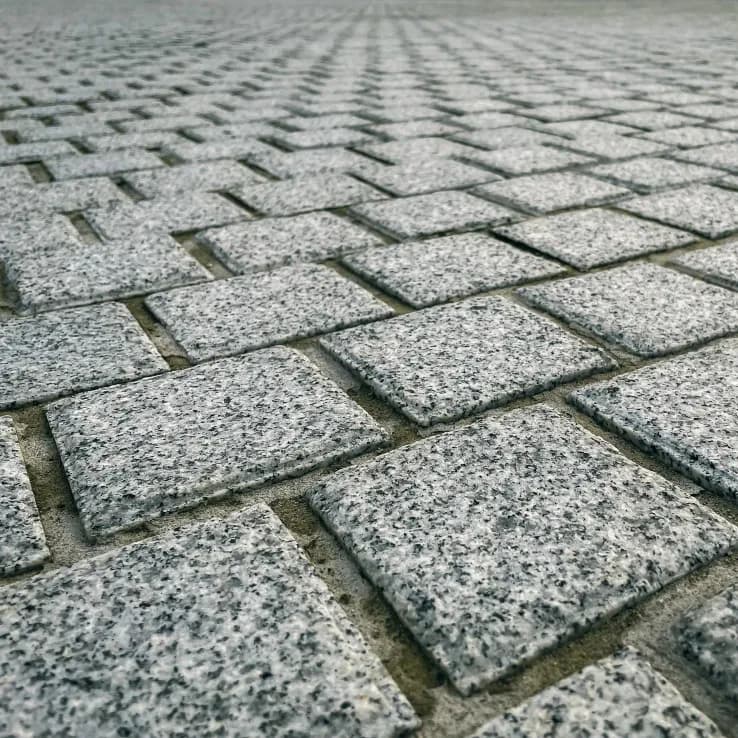
Typical mall and large-format retail landscape scope spans arrival courts and drop-off edges, plaza and podium hardscape, parking structure interfaces and island planting, perimeter service screening, rooftop or terrace F&B edges, water features where specified, and seasonal event lawns or temporary build zones that need sacrificial detailing. We specify paver classes, jointing, and drainage falls for monsoon safety; planter and tree pit build-ups that respect podium waterproofing and civil invert levels; and lighting scenes that support façade marketing without creating guest glare. For F&B terraces, we align landscape finishes with grease trap adjacency, drain locations, and cleaning chemistry constraints. Irrigation design is zoned for different microclimates—glass-reflected heat at entries versus shaded parking aisles—so controllers and flow rates match real demand. The outcome is a landscape that supports daily trading and periodic spectacle without hidden maintenance traps.
Ops compliance
Retail landscapes must respect life-safety and operations rules, not just look good in renders. We coordinate landscape elements with fire assembly sightlines, emergency egress width, signage zones, and landlord rules on temporary structures. Where liquor service extends outdoors, we keep planter positions and fixed furniture layouts compatible with crowd management and barrier plans agreed with operations. Loading and service routes need clear turning radii and sight triangles; screening planting must not choke vents, grilles, or transformer yards. We also document who owns edge conditions: landscape versus civil for drains, landscape versus electrical for façade wash and plaza lighting circuits, and landscape versus FM for event turf protection cycles. That clarity reduces post-handover disputes when something fails during a peak weekend.
Night phasing
Most mall landscape construction runs when guests are gone. We phase noisy works into agreed night windows, protect finished paving during contractor traffic, and sequence deliveries so morning opening is never compromised by a blocked porte-cochère. For partial renovations while trading continues, we use hoarding, dust control, and segregated routes so guest perception stays controlled. Event calendars drive additional discipline: we plan sacrificial turf zones, quick-recovery sod programmes, and protection boards for stage legs and vendor cabling. During monsoon, we sequence subgrade and drainage layers early so finished surfaces are not laid into wet work, and we pressure-test plaza falls before peak rainfall. Handover includes a snag list mapped to zones and a two-week hypercare plan through the first high-footfall weekend where applicable.
AMC
Retail AMC is not a generic garden contract. We structure maintenance around mall hours, event recovery, and wear hotspots: entry edges, taxi lanes, F&B terraces, and feature planters under façade lighting heat. Programmes cover mowing and edging where lawns exist, shrub and hedge cycles that keep sightlines clean, litter and storm debris response, irrigation valve checks, drainage grate clearing after monsoon peaks, and replacement planting budgets tied to realistic wear. Where you run seasonal décor or pop-ups, we align pruning and irrigation pauses with rigging and temporary structures. SLA language can cover irrigation faults, ponding complaints at entries, and post-event turf repair windows—written so facilities can enforce accountability. Handover includes valve charts, as-built irrigation zones, lighting panel references where in landscape scope, and SOPs for chemical storage if water features are included.
BOQ
Tender clarity starts with zone-wise line items buyers can compare without apples-to-oranges confusion. We recommend splitting BOQ into arrival and plaza hardscape, parking islands and medians, podium or terrace planters, service-yard screening, feature planting (by species class and soil or media depth), turf or alternate surfaces, irrigation (mainline, laterals, valves, controllers, sensors if any), drainage layers and gratings tied to civil, outdoor lighting fixtures and control points, and protection or reinstatement allowances for event cycles. Interfaces must be explicit: waterproofing and slab falls by civil, electrical feeders to pumps and lighting by MEP, landscape supply and install within agreed limits. Use provisional sums for discovery-prone items like hidden podium leaks or changed F&B grease routing, with submittals and mock-ups for finishes that marketing will photograph. Closeout deliverables belong in the BOQ narrative: as-builts, training days, defect lists, and O&M manuals.
Wear risks
Malls punish weak detailing. Risks we plan for include polished surfaces that go slick with algae, plaza ponding that backs up into retail entries, dead turf after Diwali or carnival load, grease-stained paving near F&B lines, planter leaks into parking decks, and hedge overgrowth that blocks CCTV or signage. Mitigation is specification plus sequencing: correct drainage falls and grate schedules, paver classes suited to turning tyres, root barrier and drainage detail at trees, irrigation that avoids overspray on glass and guest paths, and event protocols that use plywood runs and sacrificial sod where loads are high. We also flag reflective glare from wet paving and façade lighting angles that can blind drivers at valet. The point is to engineer the landscape for the real calendar, not the opening-day render.
Valet coordination
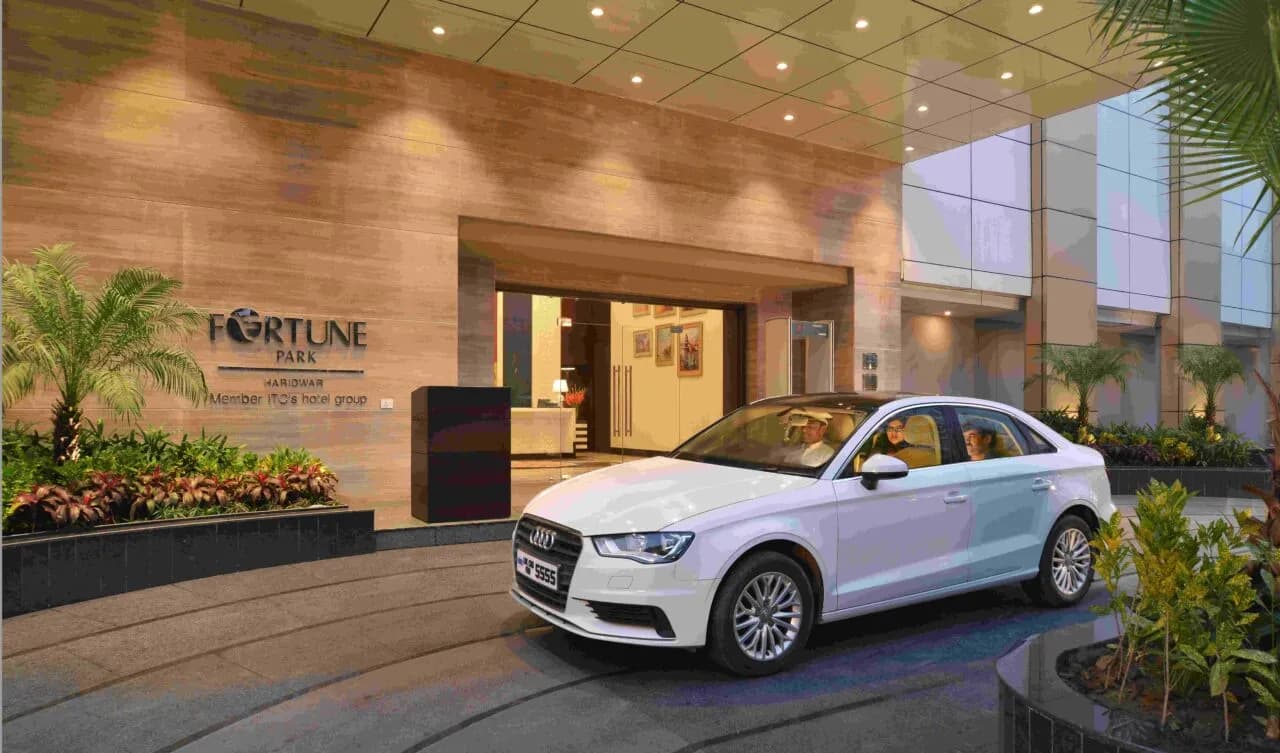
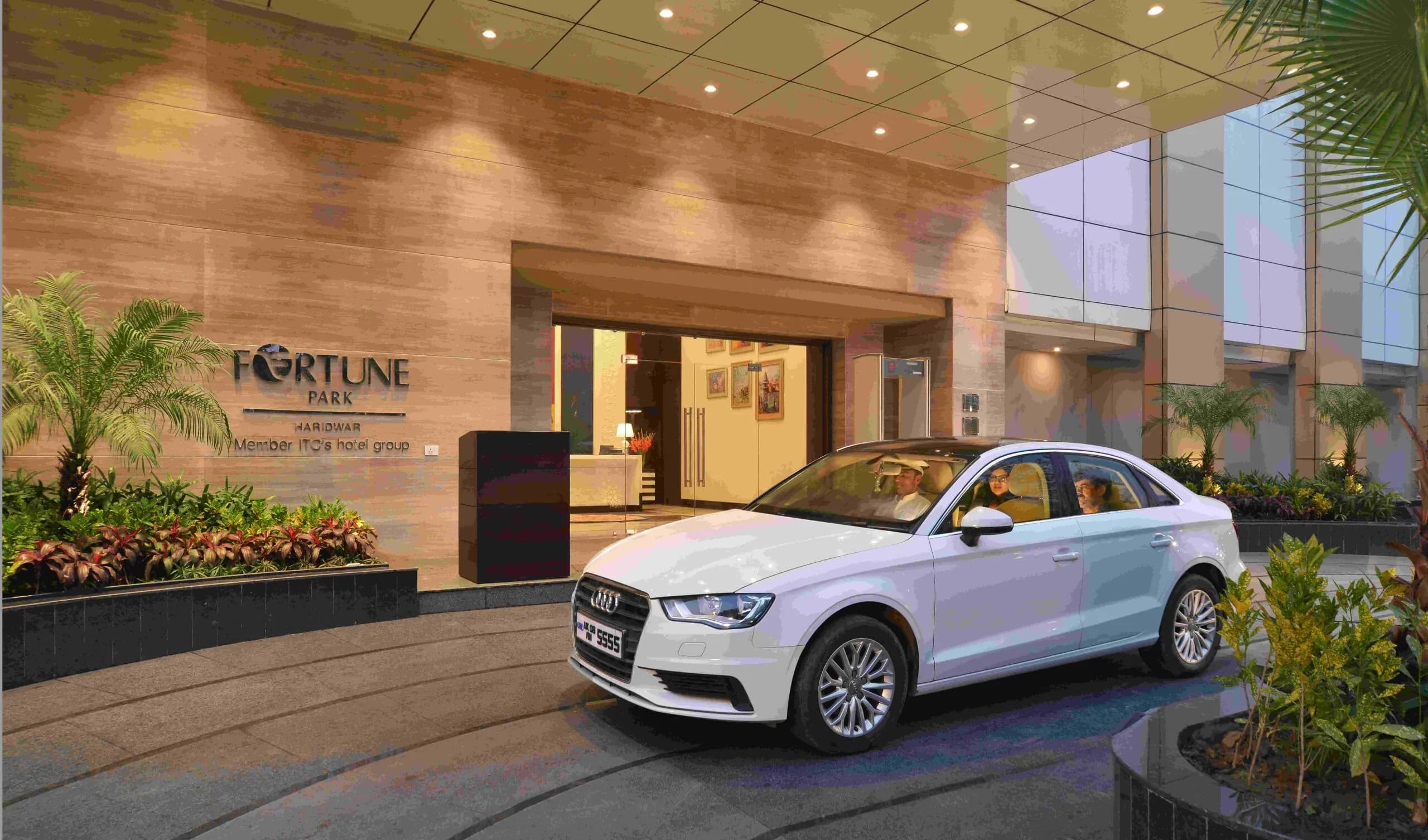
Valet and taxi circuits are high-stress landscape zones. We coordinate kerb geometry, paver patterns, and planter setbacks so vehicles do not track over root zones or irrigation boxes. Shade trees and large planters are positioned to support guest comfort without blocking sightlines for security, valet runners, or emergency access. Lighting is aimed to illuminate walkways without spilling into driver eyes. Where canopies or porte-cochère driplines affect planters, we adjust species and drainage detail. During construction, we protect finished edges with sacrificial strips until traffic patterns stabilise. If your operator runs seasonal queueing or temporary tents, we document landscape protection expectations in the handover pack so facilities can bill reinstatement correctly.
Markets
We execute mall and large-format retail landscapes across India with the same procurement methodology, adapted to local monsoon intensity, water quality, haul logistics, and contractor density. Our mobilisation strength is anchored in Delhi NCR—where much of the roster above is concentrated—but national projects follow the same documentation, phasing, and AMC discipline. Regional differences show up in species performance, irrigation scheduling, and the pace of night works approvals; we bake those into programme and establishment care rather than improvising on site. Whether you are in NCR, Lucknow, or another high-footfall city, the buyer question remains the same: will this landscape survive trading, events, and monsoon with predictable OPEX. That is what we design and hand over.
RFP
Send what a serious mall technical team needs to respond without guesswork: GLA and mall type, site plans showing arrival, plaza, parking deck edges, and any rooftop F&B, the latest event calendar or typical peak weekends, MEP and civil drawings for podium waterproofing status if terrace work is in scope, and samples of prior BOQ formats your organisation uses. Include brand standards for finishes if marketing governs materials, and clarify whether water features, lighting scenes, or signage bases sit in landscape scope. After document review, we recommend a site walk with operations and facilities to lock access, night-window feasibility, and protection assumptions. From there we return a phased execution outline, interface matrix, and BOQ structure you can drop into tender comparison—then Design + Build delivery with AMC transition aligned to opening or refurbishment handover.
Relevant projects
A selection of executed landscapes in this segment. Browse the full projects portfolio.
Vegas Mall, Dwarka
Dwarka, New Delhi
View project
CK Birla Hospital, Gurugram
Gurugram, Haryana
View project
Hero Motocorp, Gurugram
Gurugram, Haryana
View project
Hilton Garden Inn, Gurugram
Gurugram (Sector 50), Haryana
View project
IBM, Noida
Noida, Uttar Pradesh
View project
Larsen & Toubro Campus, Faridabad
Faridabad, Haryana
View project
Services, cities, and resources
Commercial landscaping procurement spans craft pillars and buyer contexts. Use these links to navigate execution scope, cities, and procurement guides.
Services
Other segments
Cost & tools
FAQs
- How do you protect mall landscapes during events and high footfall weekends?
- We combine sacrificial detailing and a recovery plan: specified protection boards for stage and vendor loads, sacrificial turf strips where repeated compression is inevitable, quick-change sod or alternate surfaces where your calendar demands it, and post-event debris and irrigation checks written into AMC. The BOQ should call out event cycles honestly so pricing matches reality.
- Can you work only at night while the mall is trading?
- Yes—night phasing is standard for occupied malls. We align noisy works to approved windows, segregate guest routes, protect finished paving from contractor traffic, and sequence morning handback so entries and valet lanes are clear before opening. Programme float is built around inspections and curing times, not only installation hours.
- How do you handle F&B terraces, grease, and drainage near planted zones?
- We coordinate finishes and falls with MEP and F&B consultants so grease and spill risk does not migrate into planting soil or podium slabs. That includes grate and drain locations, washable detailing at edges, species and media choices that tolerate heat reflection, and maintenance SOPs for cleaning chemistry. Landscape scope stays explicit about what sits in kitchen contractor work versus terrace build-out.
- What should a mall landscaping BOQ include so tenders are comparable?
- Zone-wise line items for hardscape, planting (by class and soil or media depth), turf or alternate surfaces, irrigation distribution and controllers, drainage interfaces, outdoor lighting fixtures and control points, protection and reinstatement allowances, and closeout deliverables such as as-builts and FM training. Always document civil versus MEP versus landscape boundaries to prevent scope drift.
- How do you reduce slip and ponding risk at entries during monsoon?
- We focus on drainage design: correct falls, grate capacity, sub-surface layers tied to civil outfalls, and paver or stone classes with jointing suited to jetting and heavy cleaning. Commissioning includes flood testing critical plaza areas where possible, and AMC covers grate clearing schedules ahead of peak rain.
- What does mall-focused AMC typically cover after handover?
- Event recovery cycles, wear hotspots at entries and taxi lanes, irrigation valve and line checks, seasonal pruning for sightlines and signage, storm debris response, drainage maintenance coordination, and replacement planting within agreed budgets. SLAs can target irrigation breakdowns and ponding complaints that affect guest safety and operations.
- Do you coordinate valet, taxi, and lighting so planting does not block operations?
- Yes. We design planter setbacks, tree pit locations, and low planting bands that respect turning radii, valet runner lines, security sightlines, and glare-free lighting. Construction sequencing includes protecting edges until traffic patterns stabilise, and handover documentation notes protection expectations for seasonal tents or queues.
- Which malls and retail names can you reference from delivered work?
- Our verified roster for this segment includes Vegas Mall Dwarka (1.2M sq ft), RCUBE Malls, Social (Dwarka + Cyber Hub), Smoke House Deli Saket, Miss Nora Delhi, JJ Valaya Delhi, Hike Messenger Aerocity, RedCarpet Party Lawns, Silver Spoons Ghaziabad, and Neelkanth Sweets Lucknow. We name only what the brief and public roster sources support.
- Can you deliver pan-India, or only in Delhi NCR?
- We work pan-India. NCR is a strong mobilisation base for many retail programmes, but national projects use the same procurement documentation, phasing discipline, and AMC methodology—adjusted for regional monsoon, water quality, and logistics constraints.
- We are refurbishing an occupied mall—how do you minimise guest impact?
- We phase by zone—often perimeter first, then plazas—using hoarding, dust control, and protected haul routes. Night works packages are tied to curing times and inspections so partially opened malls keep clean sightlines. Snagging is continuous rather than only at the end, so operations sees steady improvement without a big-bang mess before a peak weekend.