Industrial & Factory Landscaping (India)
Industrial landscaping is compliance work plus operations-ready aesthetics. It has to buffer dust and heat, protect visitor perception, withstand heavy logistics movement, and support EIA/green-belt requirements with measurable species and spacing discipline. Four Leaf delivers industrial green-belt thinking with procurement-grade documentation: clear civil vs MEP vs landscape interfaces, STP/treated-water irrigation assumptions, commissioning checkpoints, and AMC scopes tuned to real factory wear. Our verified industrial roster references include Adani Power Kawai Rajasthan, Honda Tapukara Rajasthan, Becton Dickinson India, APP India Bawal, Atotech Manesar, Mercury India Gurugram, MITA India Dewas MP, Narmada Polymers Manesar, Vicora Auto. We help your team convert design intent into installable scope that regulators, EHS, and facilities can all validate, and then we support long-term performance so the belt stays dense, neat, and safe.
Procurement
On industrial sites, procurement is evaluating three things at once: compliance and audit defensibility, operational continuity during construction, and predictable OPEX after handover. Plant EHS and project teams look for green belts that actually perform (dust suppression, canopy maturity direction, and survival planning), while facilities teams need irrigation reliability, trimming discipline around HV clearances, and drainage behavior that does not create slick or waterlogged edges for vehicles and staff. Visitor and admin teams also care about arrival dignity: safe walking routes, glare-controlled lighting where in scope, and screening that manages views without blocking security lines. Four Leaf speaks industrial procurement: zone-wise BOQ clarity, explicit exclusions, interface matrices, material submittal expectations, and closeout packets that support approvals and maintenance.
Scope
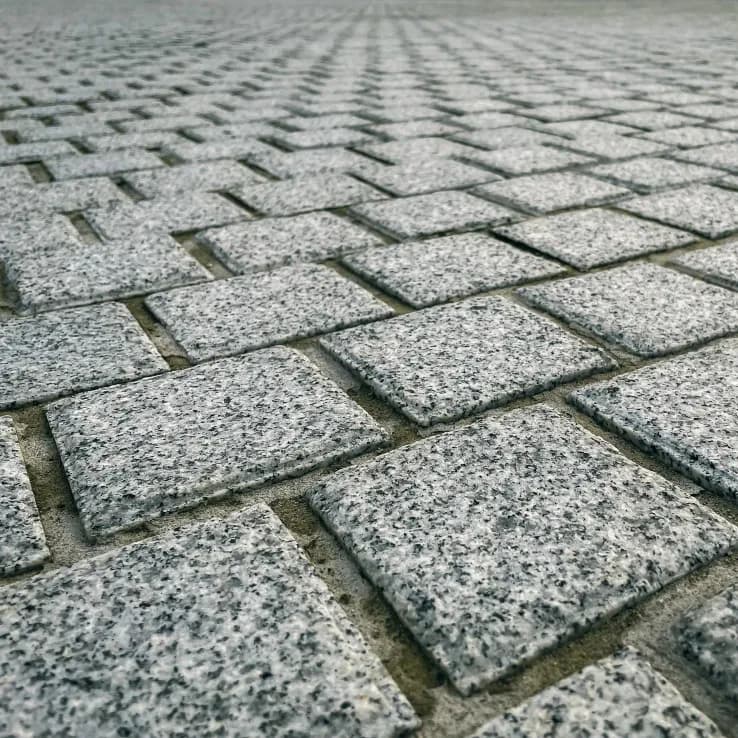
Industrial scope usually includes perimeter green belts, admin arrival and visitor walking routes, staff amenity landscaping such as canteen edges, and screening landscapes that buffer noise, dust, and external views. We also plan around functional water edges: pond margins, drainage channels, and any effluent-adjacent locations where root barrier discipline and careful planting separation matter. Internal avenues are detailed for vehicle-adjacent stability, including robust edging, protected tree pits, and durable paving where trolley and service movement occurs. Where solar or utilities adjacency exists, we plan access and clearance first, then design planting that can be maintained without repeated site disruption. The outcome is a landscape that supports compliance and makes daily operations easier to manage.
EIA and authority
EIA-aligned landscaping requires measurable discipline, not generic greening. We translate authority inputs into installable belts: counts and widths as approved, spacing that fits expected canopy growth targets, and selection that supports dust tolerance and survivability in the site’s monsoon and heat cycles. Where authority review expects it, we maintain documentation for as-built records: species class confirmations, planting layout snapshots, irrigation zone mapping, and commissioning/testing records. We also plan the operational reality of the belt: trimming windows, maintenance access, and replacement planting rules so the green belt remains audit-ready after year one.
Phasing
Phasing is critical on active factories because hot work permits, logistics routes, and safety zones constrain construction. We plan landscape delivery around your operational calendar: when teams can shut down sections, when there is night or holiday work feasibility, and where segregation is required for safety and dust control. For establishment success, we sequence soil media placement, drainage layers, irrigation commissioning, and initial watering windows so planting roots during the right timeframes rather than being laid into an unstable or wet substrate. We also protect finished edges from contractor and truck movement, and we keep interface checkpoints tight so irrigation lines, drains, and paving are ready when production resumes.
AMC
Industrial AMC has to be operationally enforceable. We structure maintenance around factory hours and wear hotspots: perimeter belt pruning cycles that preserve clearances, litter and storm debris response, irrigation valve and controller checks, and drainage grate clearing after monsoon peaks. Where STP or treated-water irrigation is used, we align filtration and delivery assumptions within the maintenance SOPs and commissioning documentation so facilities can manage water variability without compromising plant health. We also include replacement planting budgets tied to realistic survival risks, plus sanitation protocols where effluent-adjacent adjacency exists. Handover includes FM-operable O and M manuals, valve charts, irrigation zone maps, and as-built records so the belt stays compliant and neat throughout its lifecycle.
BOQ
Procurement-ready industrial BOQ should separate work into zones and interfaces: perimeter belt planting (species class and spacing), admin arrival hardscape and paving, screening areas, drainage layer stacks (tied to civil outfalls), irrigation distribution (mainline, laterals, valves, controllers, sensors if any), and any lighting scope with control points. We recommend including root barrier requirements where planting sits near podium/pond/effluent-sensitive zones, and we specify protective detailing for tree pits in vehicle-adjacent areas. Interfaces must be explicit: civil/structural owns structural waterproofing or slab falls where relevant, MEP owns electrical feeders for pumps and lighting, and landscape owns supply and installation within agreed limits. Closeout deliverables belong in the BOQ: as-builts, commissioning reports, snagging packs, training days, and FM-ready maintenance schedules.
Risks
Industrial belt risks are predictable, but failures can become expensive when irrigation, establishment time, and interfaces are handled loosely. We plan for effluent drift risk (wrong placement or species selection), remote-belt irrigation failures (poor valve isolation or uneven distribution), and soil-media mismatch that leads to early plant decline. We also manage logistics damage risks: trucks and maintenance vehicles can compact edges and crack paving without robust protection and correct falls. Another frequent risk is the compliance gap: a belt that looks green at award but cannot be maintained against authority expectations. Mitigation is a discipline method: pre-install audit, soil and water assumptions in the BOQ, commissioning checkpoints, protected-area sequencing, and a closeout checklist that ties each zone to maintenance ownership.
Safety
Safety is treated as a design constraint, not a site note. We plan PPE requirements, permits, and hot work coordination so excavation, trenching, and irrigation installation do not conflict with plant safety routines. We keep fire-lane and emergency-clearance routes free from obstructive planting, ensure signage and wayfinding remain visible for staff movement and security lines, and design access for future maintenance without pushing through hazardous adjacency. Tree pit protection, bollard setbacks, and safe perimeter edges reduce the chance of accidental impacts. When authority expects it, we also document safety-compliant as-built changes and substitutions through the procurement approval path.
Regions
Industrial landscapes vary by region because climate, water availability, and soil behavior vary. In Rajasthan belts we plan for heat stress and dust tolerance with planting and establishment watering that match summer realities. In MP-influenced sites we design around monsoon intensity and drainage behavior so surfaces stay safe during repeated rainfall. In Gurugram and Manesar-like conditions we balance establishment cycles with water quality assumptions and protect finished edges while plant schedules remain active. Our procurement method stays consistent, but the execution details adapt to local risk factors, so your industrial belt performs in its actual environment.
Next step
To start an industrial landscaping enquiry, share your plot plan with perimeter and admin zones, your EIA or green-belt stipulations (widths, counts, and any authority notes), your irrigation water source assumptions (municipal, STP, treated water), and the target commissioning or establishment timeline. Also share any HV line or utility clearance constraints and any effluent-adjacent locations that require root barrier discipline. If you already have drawings or BOQ drafts, attach them so we can align interfaces and avoid scope drift. After document review, we propose a phased development plan, a BOQ structure for comparable tender evaluation, and an AMC transition approach aligned to facilities ownership.
Relevant projects
A selection of executed landscapes in this segment. Browse the full projects portfolio.
CK Birla Hospital, Gurugram
Gurugram, Haryana
View project
Hero Motocorp, Gurugram
Gurugram, Haryana
View project
Hilton Garden Inn, Gurugram
Gurugram (Sector 50), Haryana
View project
IBM, Noida
Noida, Uttar Pradesh
View project
Larsen & Toubro Campus, Faridabad
Faridabad, Haryana
View project
Made Easy School, Gurugram
Gurugram, Haryana
View project
Services, cities, and resources
Commercial landscaping procurement spans craft pillars and buyer contexts. Use these links to navigate execution scope, cities, and procurement guides.
Services
Other segments
Cost & tools
FAQs
- How do you align industrial landscaping with EIA green-belt requirements?
- We translate authority inputs into measurable belts: counts, widths, spacing logic, and species selection based on the site’s monsoon and heat cycles. Our documentation includes as-built records and irrigation zone mapping so facilities can demonstrate compliance through the first maintenance cycle.
- What irrigation system do you recommend for industrial green belts?
- We propose zone-wise irrigation with valve isolation, controller mapping, filtration assumptions, and commissioning/testing checkpoints. This reduces remote-belt failure risk and makes it easier for facilities to handle faults without shutting down the full landscape.
- Do you handle STP or treated-water irrigation?
- Yes. Where treated water is the source, we align filtration and delivery assumptions within the irrigation design and document maintenance SOPs so facilities can manage water variability without compromising plant health.
- How do you manage HV and utility clearance while planting?
- We plan clearances first and then design planting and pruning schedules to keep growth within safe limits. Maintenance SOPs include trimming windows and access requirements so clearance compliance is sustained year after year.
- How do you protect plants and paving from truck and logistics damage?
- We add protective detailing where vehicle adjacency exists: robust edging, protected tree pits, bollard setbacks, and durable paving classes with correct falls. We also sequence establishment and protect finished edges until logistics traffic patterns stabilize.
- Can you phase landscaping while the factory stays operational?
- Typically yes. We phase work around production access, segregate safety zones, and plan hot work permitting and dust control. Our sequence ensures establishment watering and commissioning happen without putting finished surfaces at risk.
- What does industrial AMC usually include?
- AMC covers pruning, litter and storm debris response, irrigation checks, drainage grate clearing after monsoon peaks, replacement planting budgets tied to realistic survival risks, and response expectations for irrigation and drainage faults. Handover includes FM-operable O and M and valve charts.
- How do you handle drainage and ponding risk near industrial edges?
- We design correct falls and drainage layer stacks tied to civil outfalls, then pressure-test plaza and belt areas where feasible. AMC includes grate clearing schedules and response routines so ponding complaints don’t repeat during heavy rainfall.
- What should an industrial landscaping BOQ include for tender comparability?
- Zone-wise line items for perimeter belts, admin arrival hardscape, planting and soil/media depth classes, irrigation distribution and controllers, drainage layer interfaces, and any root barrier/protection requirements. Include explicit civil vs MEP vs landscape boundaries plus closeout deliverables: as-builts, commissioning reports, snagging packs, and training for facilities.
- How do you manage substitutions and maintain compliance during execution?
- We maintain an audit trail for substitutions through procurement approvals and document equivalency notes when materials change. Closeout deliverables are mapped back to BOQ intent and authority expectations so the belt remains maintainable and audit-ready.