Developer & Builder Landscaping (India)
Developer and builder landscaping is a sales-critical deliverable. It has to look premium for launch galleries and photo dates, but it also has to behave like infrastructure across RERA timelines, tower-wise construction waves, clubhouses, and podium/terrace interfaces. Four Leaf builds developer outdoor assets with procurement discipline: zone-wise BOQ clarity, explicit civil and MEP boundaries, establishment-care planning that matches possession sequences, and handover documentation that supports RWA operations. Our verified developer roster references include Pioneer Urban Gurugram, BAANI Group Gurugram, DASNAC (New Delhi/Noida), Metro Buildtech (New Delhi), Pratham Infra (New Delhi), Contec Global (New Delhi), NRI City (Kanpur), SBTIL, and FBD One (Faridabad). We help your team convert design intent into installable scope that stays on schedule, and then we support the transition into long-term maintenance so the landscape remains stable beyond handover.


Buyers
On developer projects, the buyer is not only the design team. Project directors, sales and marketing heads, cost planners, and facilities/transition teams all evaluate different outcomes. Sales needs outdoor spaces that read premium for launch stages, marketing backdrops, and the lived-in look residents expect on possession. Cost planners need measurable, comparable BOQ lines so contractors price apples-to-apples, with clear inclusions and exclusions across hardscape, softscape, irrigation, and outdoor lighting. Transition teams need RWA-ready documentation and predictable AMC so the property starts its next lifecycle with fewer failures. Four Leaf speaks developer procurement: scoped zones, interface matrices, mock-up expectations where marketing controls finishes, and closeout packets that survive internal approvals and handover checks.
Scope
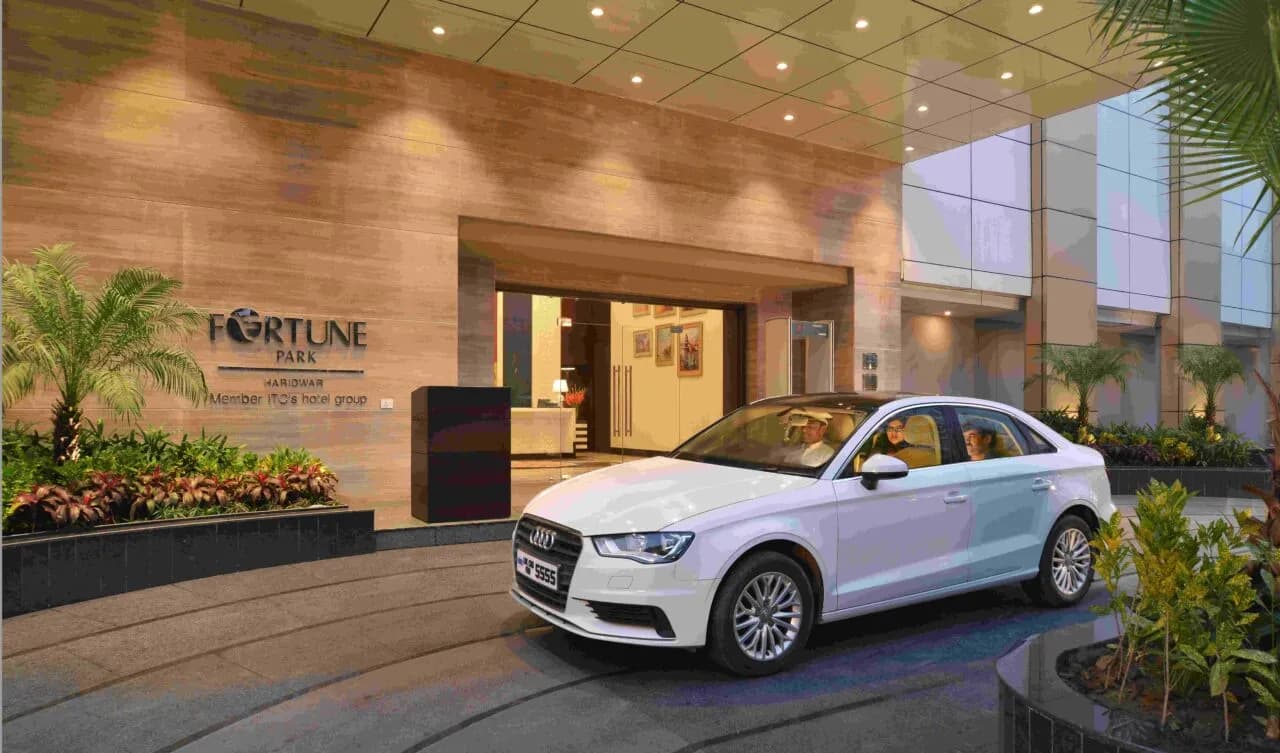
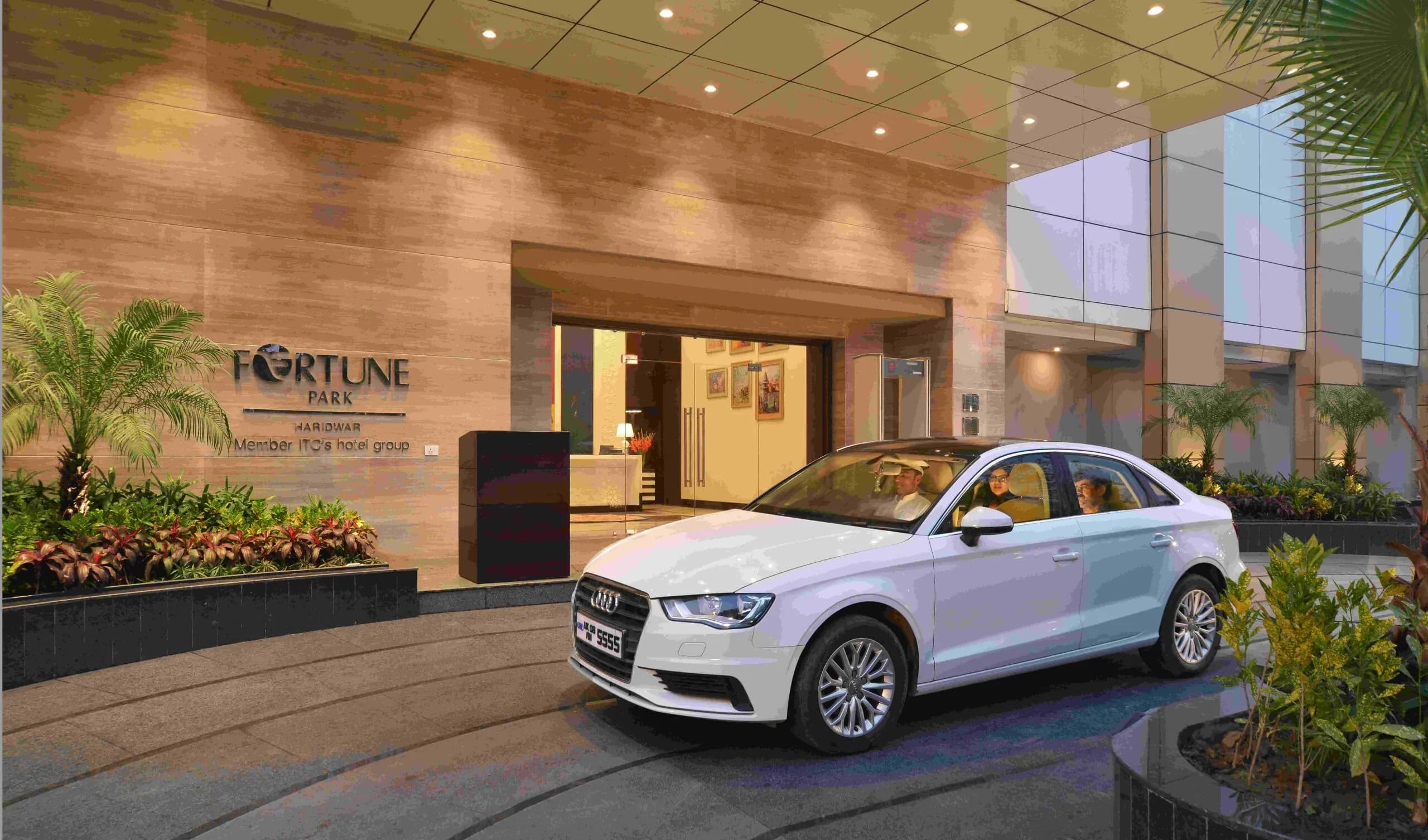
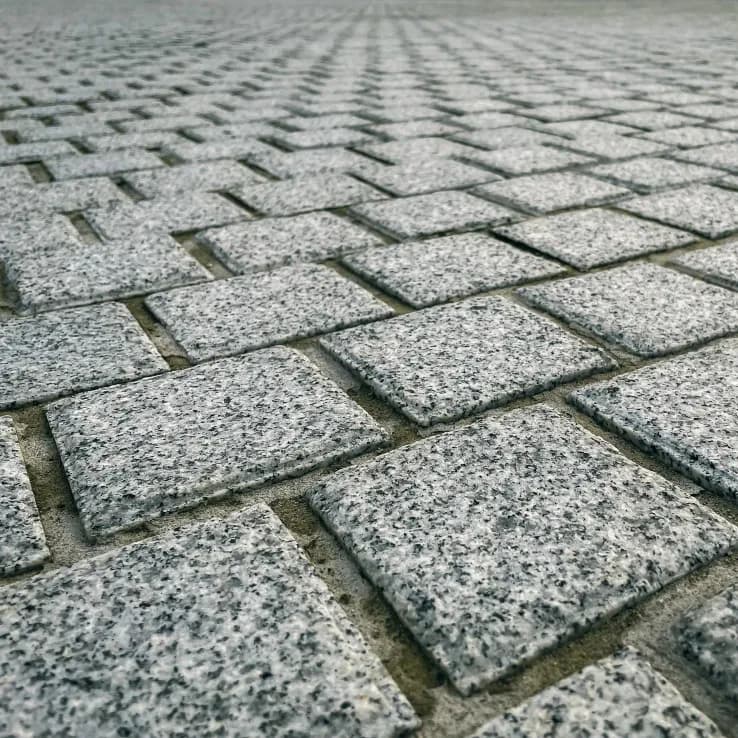
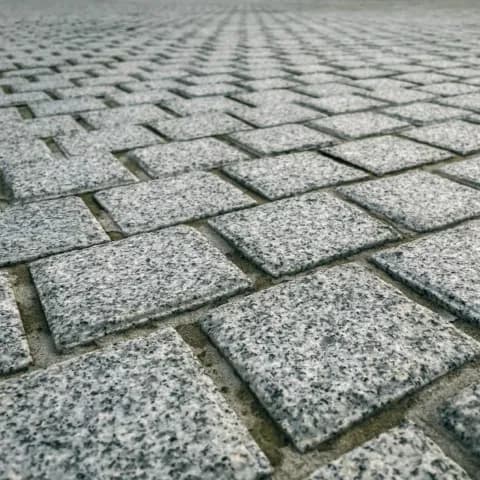
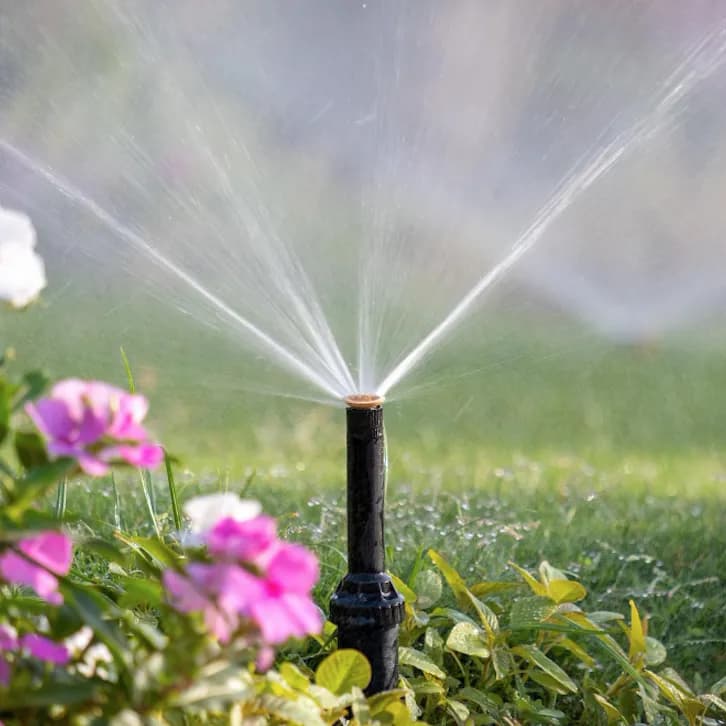
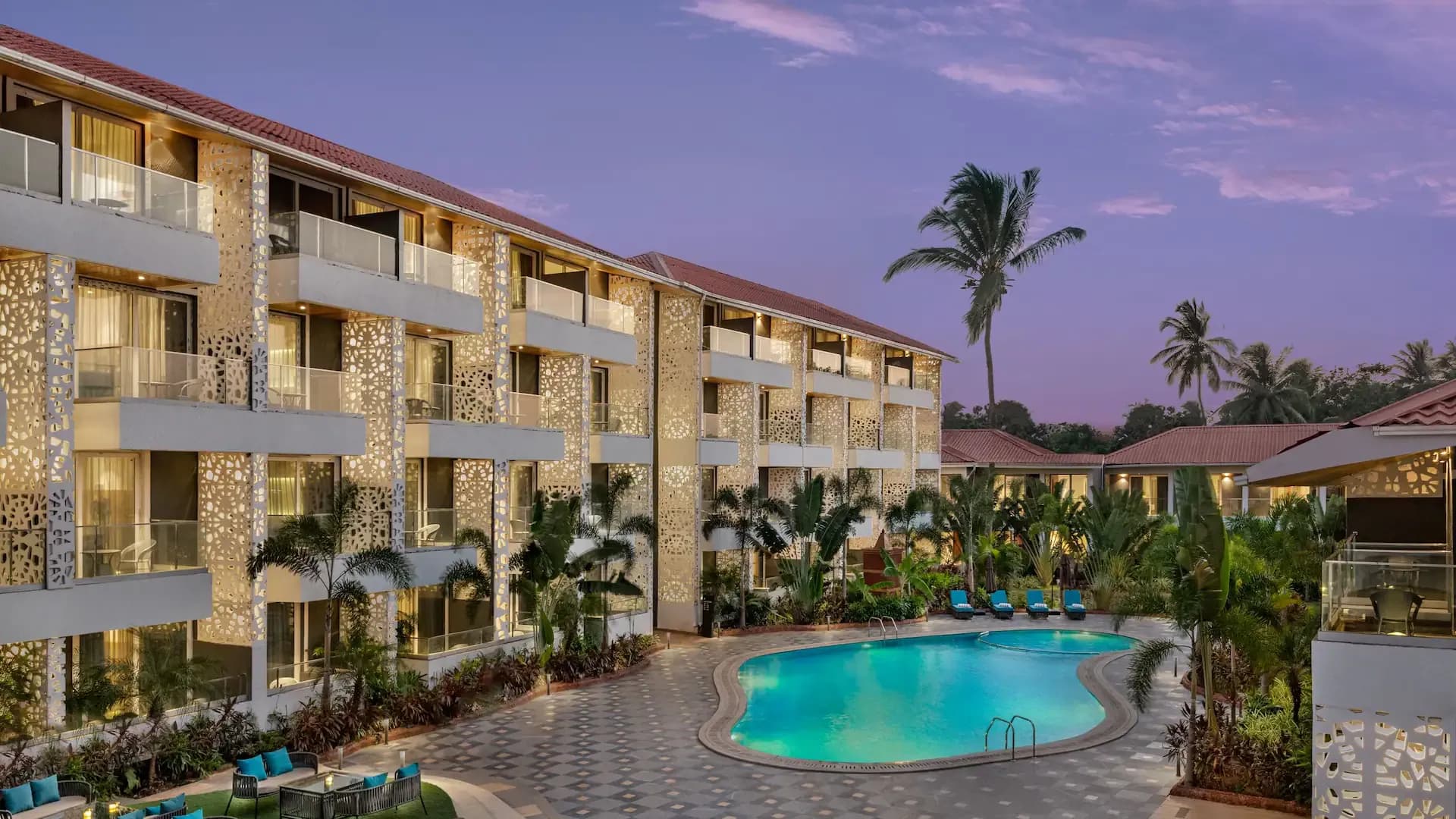
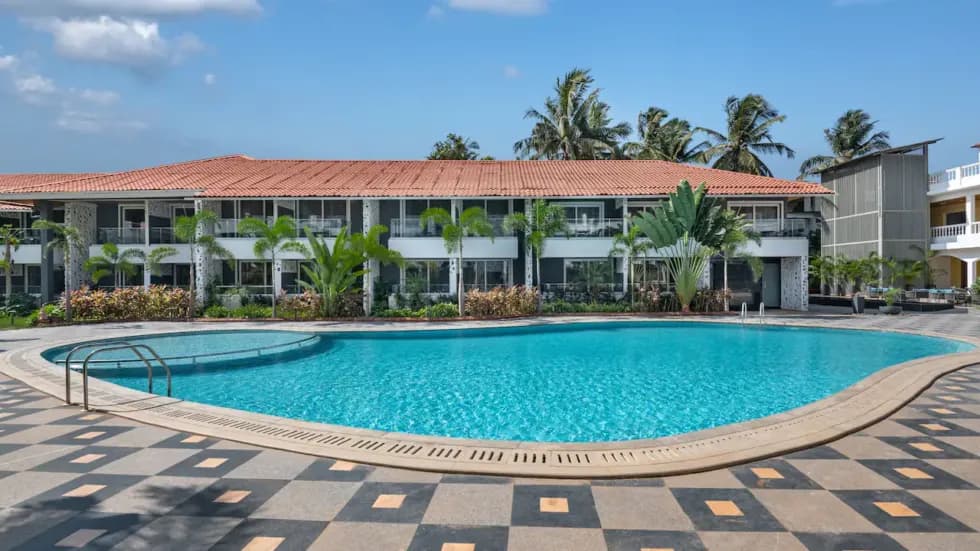
Typical developer landscaping scope includes arrival and access planting, internal avenues, entry courts and drop-off edges, clubhouse landscapes, and podium planters where applicable. It often also includes terrace garden concepts (including vertical/tiered planting where specified), sales gallery forecourts, signage decks, and lighting scenes that support an upscale identity without guest glare. We detail hardscape for pedestrian comfort and operational cleaning: paver/stone classes, jointing strategy, drainage falls, and edge conditions near walls and columns. For softscape, we design for urban establishment realities: soil/media depth expectations, controlled growth for visibility near security routes, and plant choices aligned with monsoon behavior and water availability assumptions. Irrigation and water management are treated as part of the build: zones, valves, controllers, isolation points, filtration assumptions (especially where STP or treated water is used), and commissioning checkpoints. The outcome is a landscape that looks premium on photo date and stays maintainable for resident usage.
Compliance
Developer compliance is both technical and contractual. Technically, the landscape must work with civil/drainage levels, podium waterproofing, and any pool structure and terrace interfaces; it also must support life-safety route planning around clubhouses and common areas so emergency access is never obstructed. Contractually, developers operate under RERA timelines and staged deliverables, so approvals and closeout artifacts must be ready at each possession wave. We support this by documenting what belongs to civil/structural interfaces versus MEP electrical/pump integration versus true landscape scope. Where lighting and water features are included, we specify electrical/control points that facilities teams can operate safely. The result is compliance by clarity: fewer disputes during audit moments, fewer remedial cycles after possession, and cleaner handover transitions into resident operations.
Phasing
Phasing is where developer landscaping wins or loses. We align landscape delivery to the rhythm of site works: tower-wise waves, crane sequencing, soil fill windows, waterproofing sign-off, and establishment watering timeframes. We plan monsoon-safe sequences so finished surfaces are not laid into wet substrate, and we pressure-test drainage layers before repeated rainy cycles. For areas needed early for marketing, we separate 'photo-ready' zones from later establishment zones while maintaining design continuity. We define protected routes for contractor access so finished edges do not get damaged before possession. Where irrigation lines are commissioned, we isolate and test zones as the build progresses, preventing later packages from breaking earlier work. Closeout includes zone-based snag lists and readiness checklists mapped to RWA transition timing, so the landscape arrives as a working asset rather than an incomplete picture.
RWA transition
RWA transition is not a handover moment; it is an operating change. Four Leaf prepares developer-to-RWA continuity by delivering FM-operable documentation, training, and a maintenance transition plan. We include O&M manuals, valve charts, controller/zone references, as-built records, and maintenance SOPs that match the installed plant palette and irrigation layout. Where residents expect year-one stability, we define a realistic establishment and replacement care plan and align it to the handover window. We also support training so the RWA team understands isolation valves, drainage response, and how to avoid overwatering or wrong watering cycles that can lead to root stress and surface slickness. This reduces complaints and rework during the first months of resident usage and sets a sustainable baseline for AMC.
BOQ
BOQ-ready developer landscaping starts with procurement clarity by zone, by risk, and by interface. We recommend BOQ splits for arrival and access hardscape, internal avenues and pedestrian paving, planting areas by growth control expectation and soil/media depth, and podium/terrace planters where applicable. Hardscape items are detailed with paver/stone classes, jointing method, and drainage falls so wet-season cleaning and jetting are feasible without damaging edges. Irrigation is broken into mainlines, laterals, zones, controllers, sensors if any, isolation valves, filtration assumptions, and commissioning checkpoints. Outdoor lighting fixtures and control points are specified so electrical teams and facilities teams have an auditable mapping from design intent to installed reality. For rooftop and podium work, interfaces with waterproofing and structural layers are called out explicitly in BOQ narrative and drawings references, with provisional allowances and substitution rules for discovery-prone items. Closeout deliverables belong in the BOQ: as-builts, snagging packs, training days, DLP/defect closeout expectations, and FM-ready documentation.
Risks
Developer landscaping risks are predictable, but they become expensive when the build ignores establishment time and interface discipline. Common risks include immature possession expectations (landscape not completing rooting cycles), podium leak events caused by wrong soil/water interfaces, irrigation mismatch that leads to overspray near paving and slick surfaces, and plant failure when establishment windows are missed during monsoon or heat spikes. Another frequent risk is the marketing finish vs FM reality gap: a visual look that is not maintainable by RWA practices can drive overgrowth, blocked sightlines, and clogged drainage. We plan risk control through pre-install audits, soil/media assumptions documented in the BOQ, irrigation commissioning standards, protected-area sequencing, and a closeout checklist mapped to maintenance ownership. The approach reduces the probability of post-possession remediation and protects your timeline for the next tower wave.
Interfaces
Interfaces define whether developer landscaping performs. In most projects, the key interfaces are civil drainage levels and invert tie-ins; podium or terrace waterproofing layers and planter drainage design; pool structure and associated MEP elements (pumps, filtration, electrical runs); façade and electrical wiring routes for outdoor lighting scenes; and any treated-water/STP assumptions feeding irrigation. We coordinate interfaces early and reflect them in documentation so architects/consultants can approve and contractors can install without guessing. We schedule interface checkpoints during construction: waterproofing sign-off before soil fill, lighting and pump coordination before final hardscape close, and irrigation commissioning checks while access is still available. We also maintain an audit trail for substitutions via procurement approvals so the final installed landscape matches BOQ intent and the resident-facing experience remains consistent.
Cities
Developer projects run across India, but landscaping behavior is local. Our mobilisation base is Delhi NCR, which aligns with many developer buyers and reference projects, but we deliver with the same method adapted to each site: monsoon intensity, water quality assumptions, haul logistics, and contractor density. In Gurugram and Delhi NCR we plan for heat stress and fast establishment cycles. In Noida and the surrounding belt, we manage water and soil behavior with commissioning discipline. For projects extending to Kanpur and other monsoon-influenced regions, we design drainage and irrigation zoning to prevent ponding complaints during repeated rainy weeks. The buyer question remains consistent: will the landscape look premium at photo date and still be stable for long-term resident operations? We design and hand over for both.
Contact
To start a developer landscaping enquiry, share your project stage plan (tower waves or possession waves), a site plan showing arrival/access zones, clubhouse and podium/terrace areas, and the target photo date or handover date for each phase. If you have RERA submissions, BOQ drafts, or architect drawings, include them so we price interfaces correctly and avoid scope drift. For podium and terrace work, share waterproofing and drainage assumptions (or the design team contact point for those details). For irrigation, confirm your water source assumptions (municipal, treated, STP) and any filtration requirements. After document review, we propose a phased development and closeout plan with zone-wise interfaces, snagging pack deliverables, and an AMC transition approach aligned to resident operations.
Relevant projects
A selection of executed landscapes in this segment. Browse the full projects portfolio.
CK Birla Hospital, Gurugram
Gurugram, Haryana
View project
Hero Motocorp, Gurugram
Gurugram, Haryana
View project
Hilton Garden Inn, Gurugram
Gurugram (Sector 50), Haryana
View project
IBM, Noida
Noida, Uttar Pradesh
View project
Larsen & Toubro Campus, Faridabad
Faridabad, Haryana
View project
Made Easy School, Gurugram
Gurugram, Haryana
View project
Services, cities, and resources
Commercial landscaping procurement spans craft pillars and buyer contexts. Use these links to navigate execution scope, cities, and procurement guides.
Services
Other segments
Cost & tools
FAQs
- What does developer landscaping typically include (clubhouse, podium, arrivals)?
- Most developer scopes include arrival courts and access avenues, podium planters where applicable, clubhouse landscaping, and terrace garden edges where residents expect greenery. We also include irrigation and outdoor lighting as part of an operations-ready handover, plus hardscape detailing for daily pedestrian movement and wet-season cleaning.
- How do you phase landscaping with tower-wise RERA timelines?
- We align landscape activities to possession waves and construction realities: we separate early photo-ready zones from later establishment areas, schedule soil fill after waterproofing sign-off, and plan establishment watering windows to match each phase. Monsoon safety is handled by sequencing drainage layer work early and pressure-testing falls before finished surfacing.
- How do you prevent podium and terrace waterproofing interface failures?
- We make interfaces explicit: podium waterproofing and structural layers stay within the civil/structural boundary, while planter drainage design and irrigation zoning are documented and commissioned within landscape scope. BOQ narratives and drawings references help contractors install within agreed limits, and closeout includes as-builts and maintenance SOPs tied to those installed interfaces.
- What documentation and training does RWA receive at handover?
- RWA transition typically includes FM-operable O&M manuals, valve charts, controller/zone references, as-built records, and maintenance SOPs matching the installed plant palette. We also support a handover checklist and explain isolation and drainage response so facilities teams avoid common mistakes like wrong watering cycles.
- Do you design for STP and treated-water irrigation?
- Where treated water is the source, we align filtration and irrigation assumptions with the irrigation design and document commissioning checkpoints. This reduces risk of line blockages and supports reliable establishment even when water quality differs from municipal supply.
- How do you coordinate pools and MEP with landscape work?
- We coordinate pool structure interfaces and MEP elements (pumps, filtration, electrical runs) early so landscaping does not become rework after MEP completion. Lighting and control points are specified so electrical and landscape scope remains auditable, and commissioning checks are scheduled while access is still available.
- What does a procurement-ready BOQ look like for developers?
- A procurement-ready BOQ breaks work into zone-wise hardscape, planting (by growth control and soil/media depth), irrigation (mainlines, laterals, zones, controllers, valves, sensors if any), drainage layer interfaces, and outdoor lighting fixtures and controls. It also includes closeout deliverables like as-builts, snagging packs, training days, and DLP/defect closeout expectations.
- How do you manage risks around immature possession and establishment?
- We plan establishment-care schedules and replacement planting allowances against the actual possession calendar. By specifying soil/media assumptions, commissioning standards, and protected-area sequencing, we reduce the chance of early failure. Closeout checklists tie each zone to FM ownership so response is immediate if something deviates.
- What are the most common failure modes on sales galleries and arrivals?
- The most common issues include surface slickness from incorrect drainage, irrigation overspray into guest walking zones, and plant overgrowth that blocks sightlines or creates maintenance bottlenecks. We mitigate with correct falls, irrigation zoning, and growth-controlled planting placements supported by RWA-ready maintenance SOPs.
- Can you build while the site is active and sales galleries are operating?
- Yes, if the schedule allows. We phase by zone, segregate contractor routes, protect finished edges until traffic patterns stabilise, and maintain continuous snagging discipline. For ongoing active sites, we include hypercare planning for the first high-usage period after each phase.